You make a home feel cozy in summer by keeping the softness and warm light but swapping heavy, insulating materials for breathable ones: linen and cotton instead of wool and velvet, bare or flatweave floors instead of thick pile, and low evening lighting instead of a bright, flat ceiling glow. Coziness is a feeling of comfort and ease, and none of that requires stuffy layers.
The mistake many people make is treating cozy as a winter-only look. In summer, a heavy throw on every chair and a dark rug can make a room feel hot even when the thermostat says otherwise. The goal is to stay inviting while looking and feeling lighter, which mostly comes down to fabric, color, light, and how much you leave out.
Swap heavy textiles for breathable ones
Fabric weight is the quickest way to change the mood of a room. Fibers like cotton, linen, and hemp let air move through them and wick moisture, while wool, chenille, faux fur, and velvet trap heat and look dense.
- Throws: Replace knit or fleece blankets with a lightweight cotton waffle weave, a washed linen throw, or a gauze cotton blanket. Fold one over the arm of the sofa.
- Pillow covers: Change covers rather than whole pillows. Linen, slubby cotton, and light canvas cost roughly $15 to $40 per cover and store flat.
- Bedding: Move to a percale or linen duvet cover and a lighter insert. Washed linen softens with each wash and looks relaxed with its natural wrinkles.
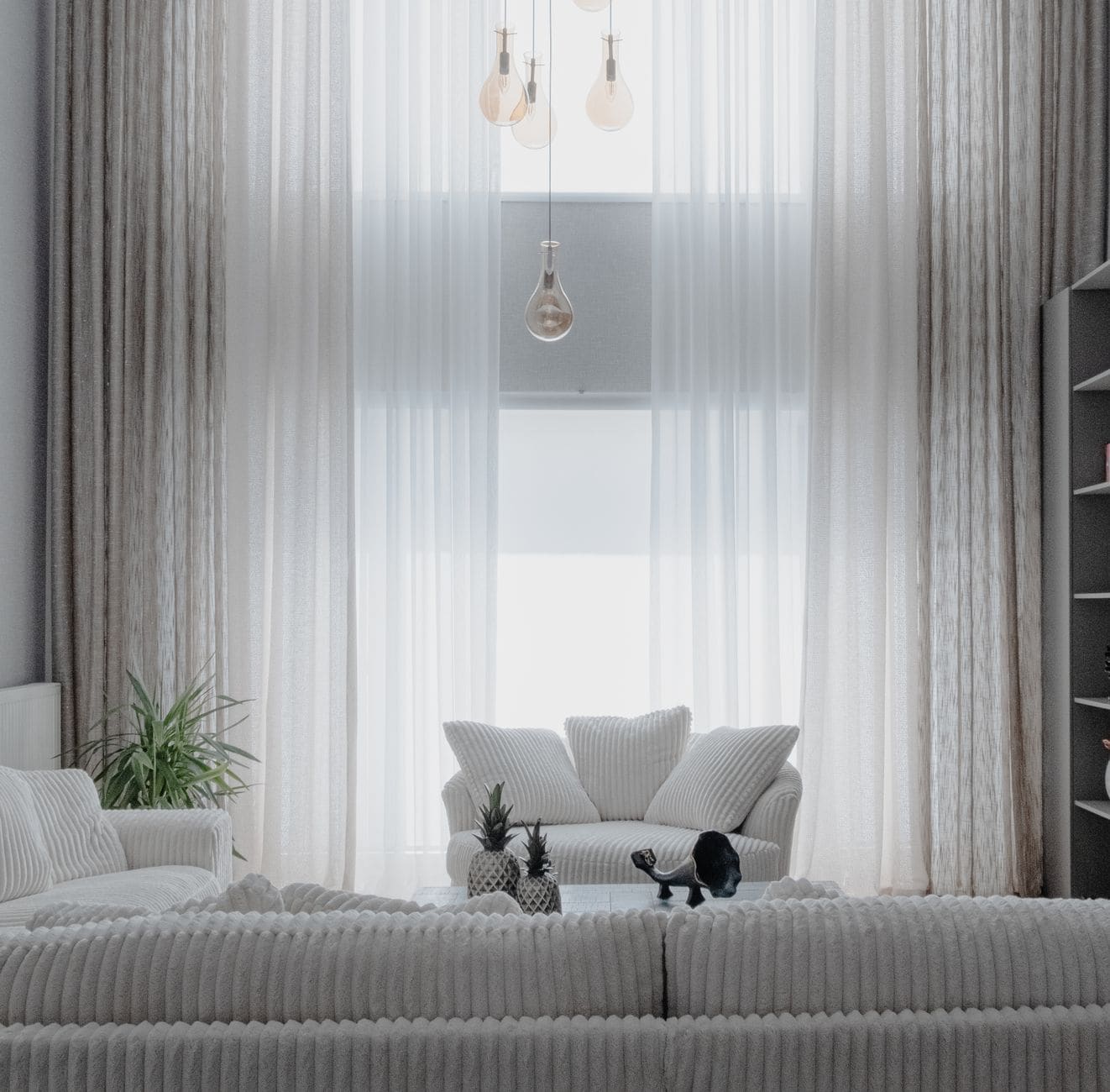
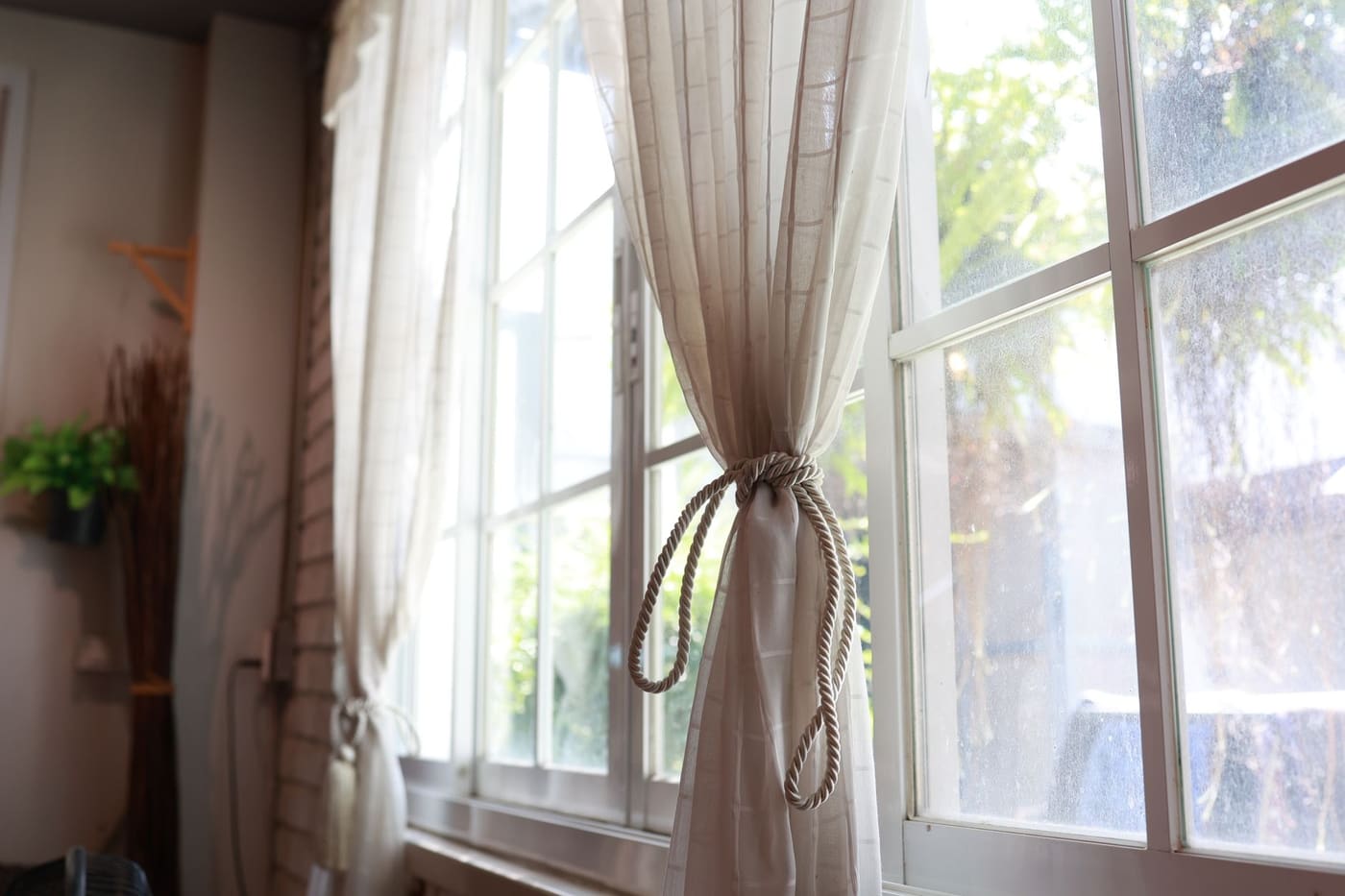
- Curtains: Trade lined or velvet panels for linen-blend or cotton ones that let diffused light through. If afternoon sun heats the room, keep a light-filtering shade or lined panel on the sunniest windows. Shading a window from direct sun usually does more to keep a room cool than any decor swap does.
Put the heavy textiles in a breathable storage bag or lidded basket, not a sealed plastic tub, so they stay fresh. Washing wool and heavy blankets per the care label before storing keeps moths and odors away.
Use natural, tactile materials that stay cool to the touch
Cozy does not require fuzzy. Natural materials give a room warmth through look and touch without trapping heat.
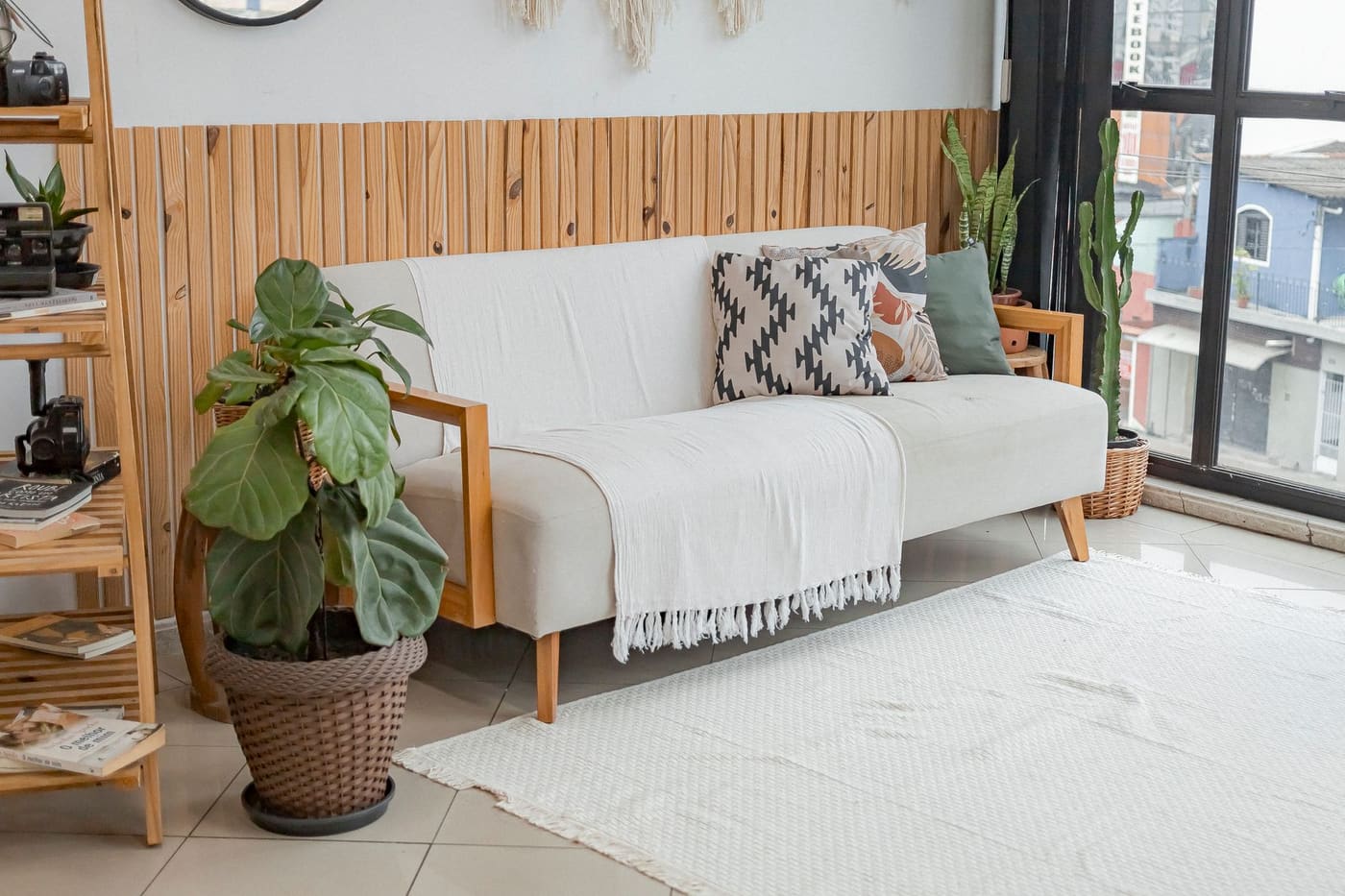
Rattan, cane, seagrass, jute, and bamboo have visible weave patterns that read as warm and relaxed. A woven pendant shade, a cane-front cabinet, or a seagrass basket adds texture at low cost. Light wood tones such as oak, ash, and birch brighten a room more than dark walnut. Ceramic, stoneware, and terracotta feel cool in the hand and look earthy on a shelf.
For floors, a flatweave cotton or jute rug often works better in summer than a thick shag. If you love your wool rug and it sits on a hardwood floor, you do not have to remove it, but you can roll up a second layered rug or a runner. For broader ideas on mixing materials, see the guide to textures that make a home feel cozier.
Shift to a lighter, airier palette
You do not have to repaint. Changing textiles and a few accessories is enough to cool the color story.
Colors that feel warm but light in summer include warm white, cream, soft sand, pale sage, faded blue, and soft terracotta in small doses. Deep burgundy, chocolate brown, and dark forest green read heavy in a hot month, so move those accents to a closet and bring out lighter ones.
A simple method is to follow a 60-30-10 split:
- 60 percent: The main color of the room, usually walls and large furniture. Leave this alone.
- 30 percent: Secondary color in curtains, a rug, or a sofa throw. Swap this seasonally.
- 10 percent: Accent in pillows, vases, and art. Change this with the weather.
If your walls are a deep color, balance them with lighter textiles and a lot of white or cream in the bedding and curtains. If you are choosing paint, the guide to colors that make a home feel warmer without being dark explains how undertone does more than depth.
Make evening light the cozy centerpiece
Summer evenings are long, and light is where you can create the glow that heavy fabrics provide in winter. Turn off the overhead light and use several low sources instead.
- Use warm bulbs rated 2700K or lower in table and floor lamps.
- Add a dimmable lamp in each seating area so you can lower the brightness as the sun sets.
- Place string lights or battery lanterns on a porch, balcony, or patio, and use outdoor-rated products for anything outside.
- For candles, group three or four in glass holders on a tray. The National Fire Protection Association advises keeping candles at least 12 inches from anything that can burn and blowing them out when you leave the room. Battery candles with a flicker mode are a safer option around pets, kids, and light fabrics.
Open windows at dusk when the air cools, and keep fans on a low setting so candles and curtains stay put. The article on lighting that makes a home feel warm at night covers bulb choice and lamp placement in more depth.
Bring in greenery, fresh flowers, and light scent
Plants and flowers make a room feel alive and cooled. A bowl of lemons or peaches, a bunch of herbs in a glass, or a jar of grocery store flowers on the table is a small spend and changes the mood immediately.
Scent should be light and fresh in summer. A few drops of essential oil in a diffuser, a linen spray, or a simple pot of simmering water with citrus peel and herbs suit the season better than heavy vanilla or spice candles. Use diffusers in a ventilated room and keep them away from pets that may be sensitive.
Edit the room so it can breathe
A cozy summer room usually has more empty space than a winter one. Open space and clear surfaces make a room feel cooler, and that is a design choice, not a lack of effort.
Try a short edit:
- Remove two or three accessories from each shelf and surface, leaving groups of odd numbers (one, three, or five).
- Take down dense seasonal items such as heavy wreaths, big candle collections, and thick framed prints in dark frames.
- Clear the top of the coffee table down to a tray, a plant, and a book.
- Move extra pillows off the sofa until only two or three remain.
Edited rooms also help you think about where things belong. If you struggle to tell what to keep, the guide to shifting a home for the seasons without redecorating everything lays out a simple swap list that works in both directions.
Create a few spots for slow, comfortable moments
Coziness is as much about use as about looks. Create one or two spots designed for slow summer moments, such as a reading chair by an open window with a small side table, or a porch seat with a cotton cushion and a footstool. Add a lamp or a hook for a light throw, and keep a basket with a book and sunglasses nearby.
If you have a patio or balcony, outdoor cushions in solution-dyed fabric stand up to sun and moisture better than indoor fabric. Outdoor rugs in polypropylene dry quickly. Wipe down surfaces and wash cushion covers on the care label’s schedule, since mildew tends to build in humid weather. Be careful with extension cords outdoors, and use only outdoor-rated cords and plugs with a ground-fault protected outlet.
What to spend and what to skip
| Item | Typical cost | Worth it? |
|---|---|---|
| Linen or cotton throw | $30 to $80 | Yes, used all season |
| Set of 2 to 3 pillow covers | $40 to $100 | Yes, easy swap |
| Flatweave or jute rug | $80 to $400 depending on size | Yes if your current rug is thick |
| Linen-blend curtains | $50 to $200 per panel pair | If your current ones are heavy |
| Candle collection | $30 to $100 | Only a few, in glass |
| Full redecorate | $1,000 plus | Not needed |
You can get most of the effect for a modest spend by changing pillow covers, one throw, and your lamp bulbs.
To keep your palette balanced as you swap things in, see the 60/30/10 color planner.
Where this comes from
This guide is mostly common-sense styling practice (fabric weight, color, light, and editing), checked against the National Fire Protection Association’s candle safety advice and the pet-toxicity warnings published by animal-poison-control organizations for lilies and common houseplants. The cooling effect of shading windows reflects general home-energy guidance. Costs are rough ranges, and prices and product specifications change, so check them at the source or the store.