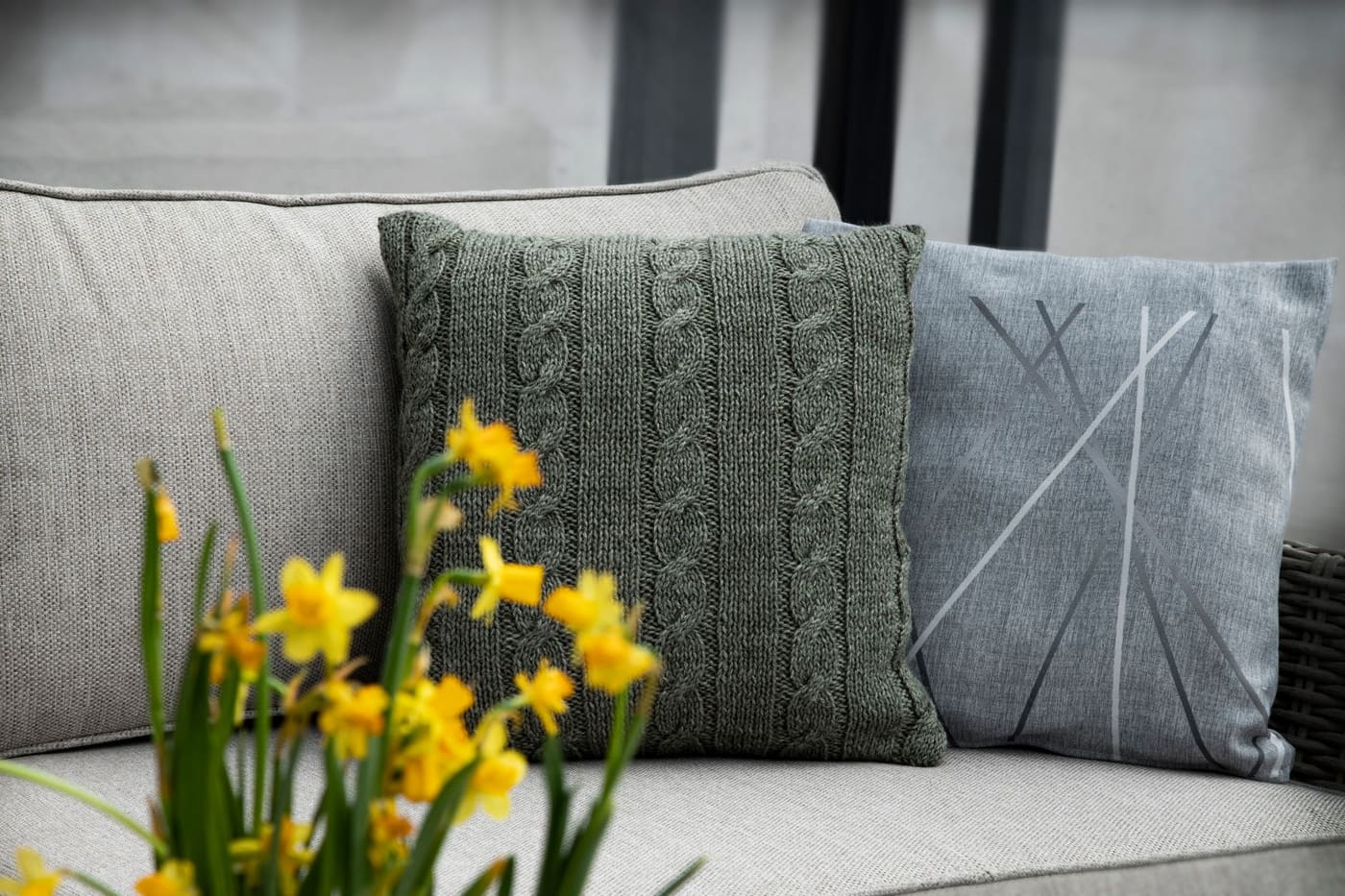
You shift a home for the seasons by keeping the big pieces fixed and swapping the small, soft ones: pillow covers, throws, curtains or curtain layers, a rug or two, bedding weight, lamp bulbs, greenery, and a few accessories. Four short swaps a year, each taking an hour or two, will change a room more than buying new furniture, and it avoids the cost and storage burden of full seasonal decor sets.
The trick is to decide in advance what stays and what rotates. Without that, seasonal styling turns into more stuff, more boxes in the closet, and a house that always feels slightly in transition. The system below is built around a small rotation kit and a consistent base.
Decide what stays and what rotates
Split your home into two groups. The base stays all year. The rotation changes with the weather.
Base (stays): Sofa, bed frame, tables, large art, main rug, wall color, and the kitchen and bathroom basics.
Rotation (changes):
- Pillow covers and throws
- Bedding weight and color
- Curtain panels or a second layer
- A second rug or runner
- Lamp bulbs and candle types
- Plants, branches, and flowers
- A small set of accessories such as vases, bowls, and trays
Set a limit on the rotation. A good starting rule is one under-bed storage bin or one lidded box per season. If a season’s items do not fit, you own too many. A tight kit forces you to keep only the pieces you like.
Use textiles as your main seasonal tool
Textiles are cheap, soft, and store flat, so they give you the biggest change per dollar. Weight and fiber carry the season.
| Season | Fabrics and weights | Typical colors |
|---|---|---|
| Spring | Cotton, light linen, thin knits | Soft green, pale blue, blush, cream |
| Summer | Linen, gauze, percale, flatweave | White, sand, faded blue, light terracotta |
| Fall | Wool blends, flannel, corduroy, textured cotton | Rust, ochre, olive, camel |
| Winter | Heavy knit, wool, velvet, faux fur | Deep green, navy, charcoal, cream |
Pillow covers are the easiest start. Buy covers rather than whole pillows, and use the same insert sizes so they swap easily. Two or three covers per season is plenty. Store them in a labeled bag or bin, washed and fully dry first.
For throws, keep a lightweight one on the sofa for warm months and a heavier one for cold months. For the bed, use a duvet cover set for each half of the year, or swap the insert weight. A lighter insert plus a heavier blanket at the foot of the bed lets you adjust without replacing everything.
Adjust the lighting mood as daylight changes
Seasonal light changes more than most people realize, and it affects how a room feels. In winter you turn lights on earlier and use them longer, so a room’s lighting setup matters more.
- Winter: Add a second or third lamp so the room has layered light by late afternoon. Use 2700K or warmer bulbs, and consider dimmable bulbs on a dimmer-compatible lamp.
- Summer: Let in more daylight with lighter or sheer curtains, and focus on low evening light on a porch or near a reading chair.
- Spring and fall: Use the shoulder seasons to check bulbs, clean shades, and test dimmers.
The guide to lighting that makes a home feel warm at night goes into bulb color, lumens, and layering. If you plan to wire in new fixtures or dimmers, hire a licensed electrician. Swapping a bulb or plugging in a lamp is a DIY task, while altering house wiring is not.
Bring the outdoors in with plants, branches, and fresh finds
Greenery is the lowest-cost way to reflect the season. It also changes without clutter, since it can be thrown out or composted at the end of the season.
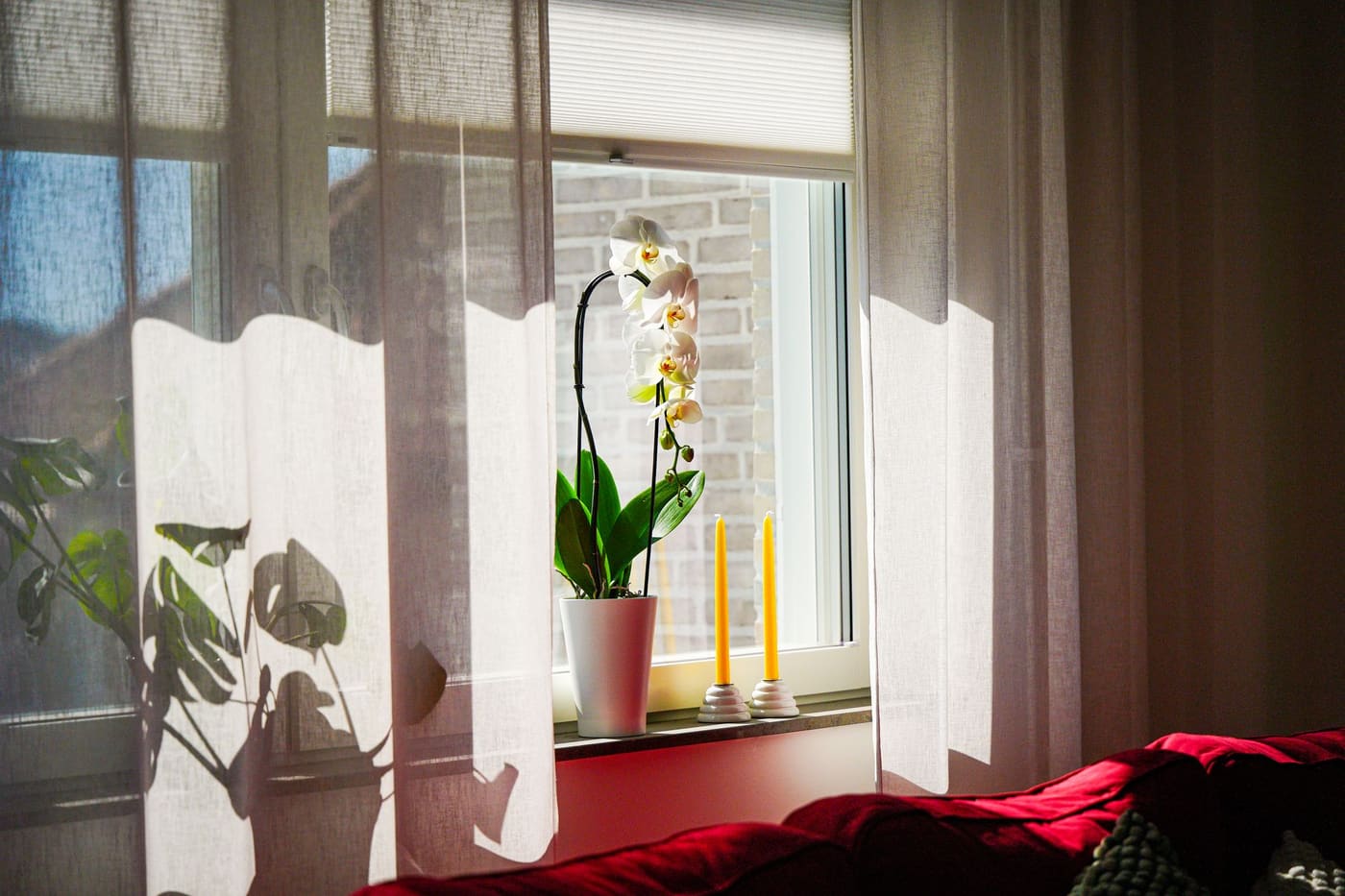
- Spring: Forsythia, cherry, or pussy willow branches in a tall vase. Tulips or daffodils from a grocery store. Keep daffodils in their own vase for a day or so because their sap can shorten the life of other cut flowers.
- Summer: Herbs in a glass, a bowl of citrus or stone fruit, hydrangeas, or a few sunflowers.
- Fall: Branches with leaves, dried grasses, small gourds, pears or apples in a bowl, eucalyptus.
- Winter: Evergreen boughs, pinecones, dried citrus slices, amaryllis or paperwhite bulbs.
Check pets before you bring anything in. Lilies are toxic to cats, and mistletoe, holly berries and, to a milder degree, poinsettia can upset or harm pets. Check any plant against a pet-safety list, and when in doubt keep it out of reach or skip it.
Shift the color mood with a few accessories, not paint
You do not need to repaint to change seasonal color. A few accessories do the same thing.
A simple approach is to keep the 60 percent main color in the room constant, then rotate a 30 percent secondary color (throw, curtains, rug) and a 10 percent accent (pillows, vase, art). Cooler and lighter tones feel right for spring and summer, while warmer and deeper tones suit fall and winter.
If you prefer to hold the palette steady, change only texture. A cream room with a linen throw reads as summer, and the same room with a chunky wool throw reads as winter. For help picking tones that look warm without making the room dark, see the guide to colors that make a home feel warmer without being dark.
Adjust the entry, table, and a few focal points
You do not have to restyle every room. Pick two or three focal points that people see most:
- Entryway: A seasonal wreath or branch arrangement on a console, a basket for hats and scarves in cold months, and a tray for sandals in warm months.
- Dining or kitchen table: A runner, a bowl of fruit, and a centerpiece of branches or flowers.
- Sofa or main seating area: Pillow covers and a throw.
- Bed: Duvet cover and a throw.
Skip rooms people rarely see. A seasonal swap in a guest room closet is wasted effort.
If you plan an outdoor space refresh, use outdoor-rated rugs, cushions, and lights, and pack away sun-faded or damp cushions at season’s end. Be cautious with ladders when changing exterior string lights, and keep extension cords off wet ground.
Store it well so the rotation stays easy
Storage is what makes this sustainable. A messy storage plan means you will not bother next season.
- Use one bin per season or one per category (pillows, throws, accessories) and label each.
- Wash or clean before storing, since stains set and odors build over months.
- Use breathable containers or cotton bags for wool and natural fibers. Sealed plastic can trap moisture. Cedar blocks or lavender sachets are often used in wool storage, but they give limited protection, so clean items before storing them.
- Store candles in a cool, dark place, as heat can warp them.
- Keep the bins somewhere accessible, such as under the bed or on a closet shelf, not in a far-off attic.
Set a calendar reminder for two or three change dates a year, such as the first weekend of each season. Keep the task short, around an hour. If you need more time, the rotation kit is probably too big.
Keep it from becoming decor overload
Seasonal styling goes wrong when every holiday gets its own theme. The room ends up looking temporary, and you are always putting something away. A calmer approach is to style for the season, not the event. Branches, fabrics, and color shifts last for months. Single-holiday items can be limited to a small tray or one table.
If a room still feels flat after a swap, the cause is often structural, not decorative. The guide to why a room still does not feel cozy after you decorate it lists the usual suspects, including lighting, scale, and clutter.
To work through the swaps one by one, use the seasonal decor swap checklist.
Where this comes from
This guide is based on common home-styling practice (rotating soft furnishings and keeping a fixed base), plus the pet-toxicity warnings published by animal-poison-control organizations for lilies and common seasonal plants and general textile-care advice from garment labels. Sizes, costs and product specifications vary, so check them at the source or the store.