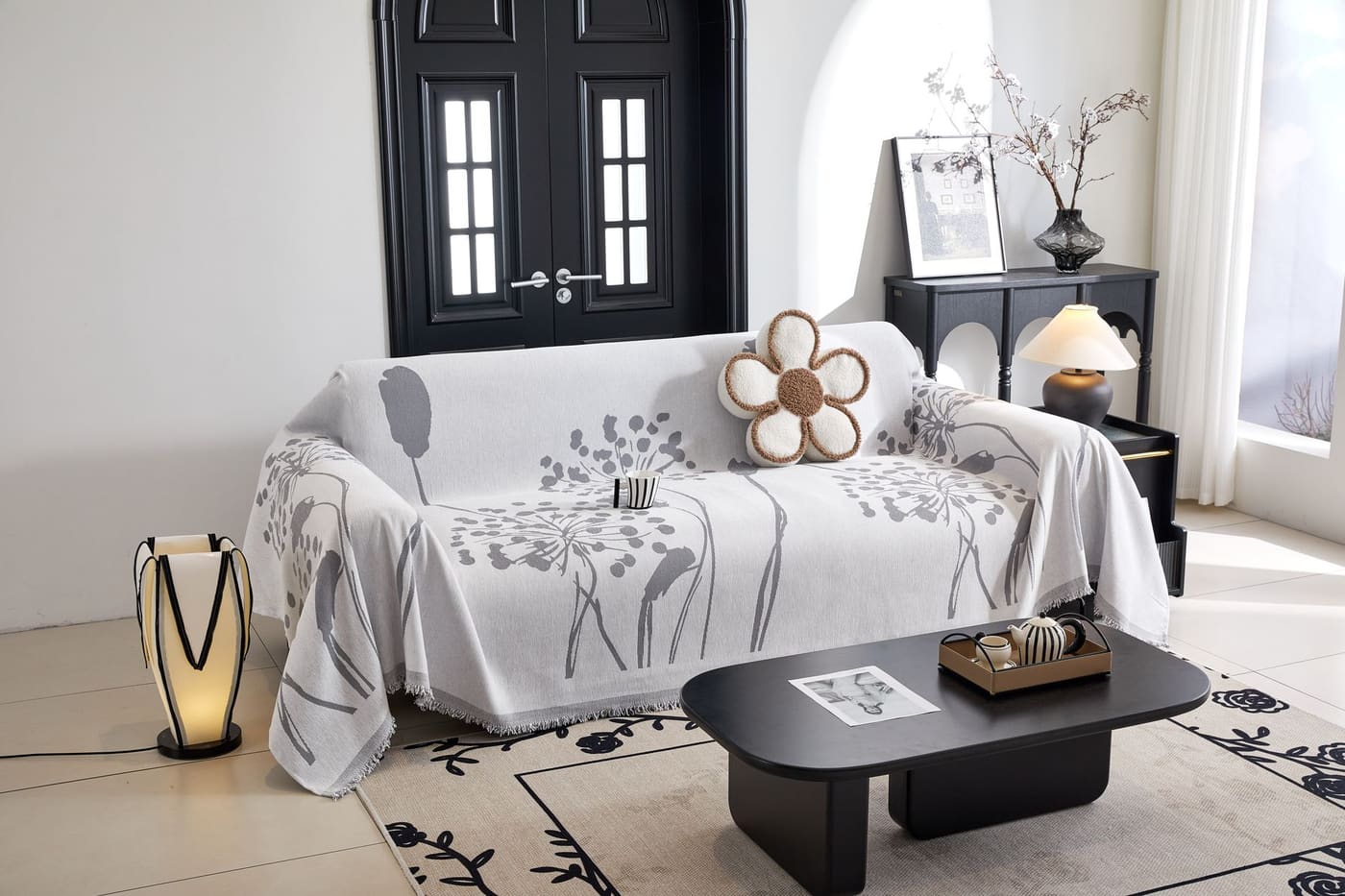
A room usually does not feel cozy after decorating because the problem is not the decor. The common causes are cold or harsh light, furniture pushed against the walls, a rug or art that is too small for the space, too little texture contrast, too many unrelated objects, and a color palette that has no warm undertone. Fix those and the room can change without adding anything new.
It helps to treat this as a diagnosis. A room that looks styled but feels flat often follows a pattern: the light is blue-white and comes from above, the surfaces are hard and smooth, the scale of things is off, and there is a lot of small stuff doing nothing. The sections below go through those causes in order of how often they matter.
The light is too cold or comes from one place
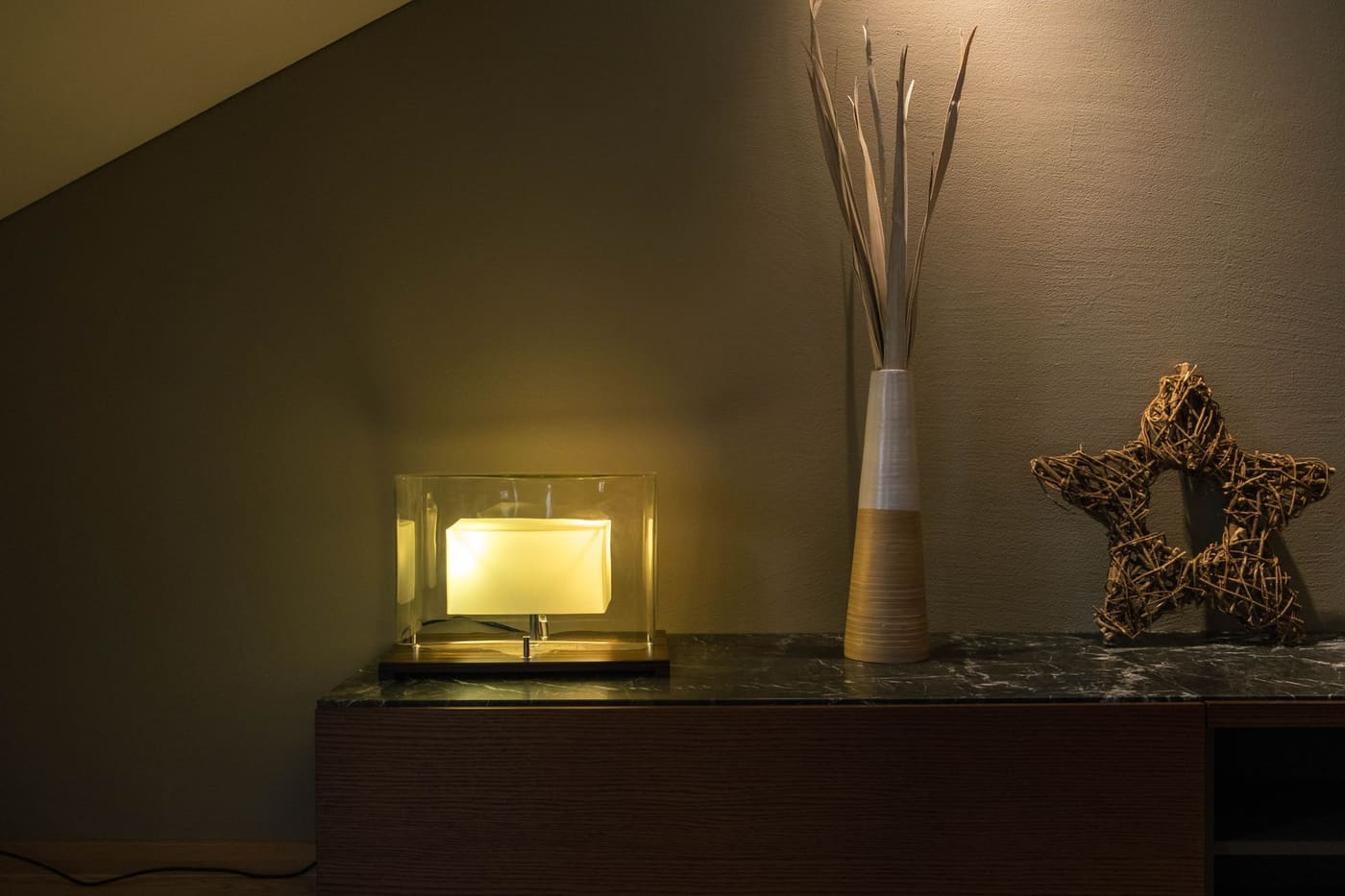
Lighting is the most common reason. A single overhead fixture with a cool bulb makes any room look like an office, even if the sofa and pillows are lovely.
Check these first:
- Bulb color: Look at the label for the kelvin number. 2700K or lower is warm. 4000K and above looks blue-white.
- Number of sources: If you have only the ceiling light, add at least two lamps at different heights.
- Brightness: Table lamps typically work well at about 400 to 800 lumens. Higher can feel glaring.
- Direction: Light that comes only from above flattens faces and furniture. Lamps at seat level add shape.
Replacing every bulb in a room with 2700K LEDs is cheap and is usually the best first test.
The room has decor but not enough texture
A room can have plenty of objects and still lack tactile depth. If most surfaces are smooth, shiny, or the same material, the eye has nothing to settle into. Think of a room with a flat gray sofa, a glass coffee table, a smooth rug, and white walls. The objects are fine, but the whole feels cold.
Add softness where you touch and sit. A knit or wool throw, two pillows in different fabrics, and a rug with some pile can change the feel quickly. Introduce at least one natural material, such as wood, jute, or rattan, and one matte, nubby fabric, such as bouclé or linen.
If you are unsure what to mix, the guide to textures that make a home feel cozier lists combinations that work. The aim is three or more distinct textures, not more objects.
Scale and proportion are off
Many rooms feel off because things are the wrong size. Common scale problems include:
- A rug that is too small: If it floats in the middle with furniture entirely off it, the room feels disconnected. In many layouts the front legs of the sofa and chairs should sit on the rug. An 8 by 10 foot rug is a common living room size.
- Art that is too small or hung too high: A small frame on a big wall looks lost. A common gallery guideline is to center art at about 57 inches from the floor, and designers often hang art over a sofa a few inches above the back at roughly two-thirds the sofa width.
- Curtains hung at the window frame: Hang rods higher and wider than the frame so the window looks larger and the room taller.
- Lamps that are too small: A tiny lamp on a large console gets lost. Pick a lamp with presence.
- Furniture that is too big or too small: An oversized sectional in a small room crowds it, while a tiny sofa in a big room feels like a waiting area.
Measure before buying. Painter’s tape on the floor lets you check the footprint of a rug or table before you commit.
The layout is pushing people out
Furniture arrangement shapes whether a room feels welcoming. Pieces lined up along the walls leave an empty middle and make a room feel like a hallway.
Try this rearrangement:
- Pull the sofa off the wall by 6 to 12 inches, or float it to define a zone.
- Angle a chair toward the sofa so people can talk.
- Place a table or ottoman in the center, about 14 to 18 inches from the sofa.
- Keep walkways about 30 to 36 inches wide.
- Make sure every seat has a nearby surface for a drink and a lamp within reach.
Look at where you actually sit. Rooms feel cozy when there is a spot that is clearly the best place to settle: a chair with a lamp, a throw, and a side table. If no such spot exists, create one.
The colors have no warm connection
A palette can be pleasing and still feel cold if it has no warm undertone or if the colors never repeat. Gray walls, a gray sofa, and chrome accents often read cold. A random mix of unrelated colors can feel scattered instead.
Look for warm undertones and repeat colors. Add cream, camel, rust, or soft brown in textiles. Swap a few cool metals for brass or bronze. If a color appears once in the room, such as a single green pillow, repeat it in a plant, a ceramic piece, or a print so it ties together.
You do not need to repaint to test this. The guide to colors that make a home feel warmer without being dark shows how undertones work. If you do repaint a home built before 1978, remember the EPA advises against dry sanding or scraping old paint, which may contain lead; use a lead-safe certified professional if the paint will be disturbed.
Too many small objects, not enough anchors
The cluttered opposite problem is common. A room filled with many small items looks busy, and the eye never rests. Coziness usually comes from a few large anchors, such as a good rug, a substantial sofa, and big art, supported by a handful of smaller items.
A quick edit:
- Group small items on trays and in odd-numbered clusters.
- Remove half of what is on shelves, then add back only what you like.
- Replace several tiny frames with one or two large pieces.
- Clear flat surfaces so each has one purpose.
- Add closed storage, such as baskets with lids or a cabinet, for everyday clutter.
If the room is also full of things that do not belong in it, such as paperwork or sports equipment, the problem is storage, not styling.
The room is not comfortable to use
A room can look good and still not feel cozy if it is physically uncomfortable. Check these basics:
- Drafts: A cold draft near a sofa or bed ruins comfort. Weatherstripping and door sweeps are an inexpensive fix.
- Temperature: Hard floors feel cold. A rug and slippers help, and thick curtains can reduce window chill in winter.
- Seating: A sofa that is too deep or too stiff keeps people perched. Add a lumbar pillow, or a firmer pillow behind the back.
- Noise: Echo in a room with bare floors and bare walls feels cold. Rugs, curtains, and upholstered pieces absorb sound.
- Air: Stale air and persistent odors work against coziness. Ventilate regularly and clean filters. If you notice a musty smell or visible mold, find the moisture source, and call a professional for large areas or any mold that comes with a water leak.
Heating problems, gas appliances, and chimneys should be serviced by licensed technicians. Do not use fuel-burning heaters that are not designed for indoor use, and keep working carbon monoxide alarms in your home, as fire and safety agencies advise.
Give it time and test one change at a time
Do not change everything at once. If you change lighting, rug, curtains, and paint in one weekend, you will not know which fixed it. Choose one change, live with it for a few evenings, and then judge.
A suggested order:
| Step | Change | Relative cost |
|---|---|---|
| 1 | Warm bulbs and an extra lamp | Low |
| 2 | Throw, pillows, and a layered texture | Low to moderate |
| 3 | Rearrange furniture | Free |
| 4 | Resize the rug | Moderate to high |
| 5 | Edit surfaces and add storage | Low |
| 6 | Curtains and art at the right scale | Moderate |
For a step-by-step approach to a specific room, see the guide on making a living room cozier without cluttering it.
Where this comes from
This guide rests on common interior-design practice for light, scale, layout and texture, plus general home-safety advice from fire-safety agencies on carbon monoxide alarms and fuel-burning appliances, and the EPA’s lead-safe guidance for homes built before 1978 (as summarized by state health departments). Sizes and distances are rules of thumb, not tested results. Prices and product specifications change, so check them at the store.